Inside India’s Label Compliance Reality: Are Food Labels Overpromising?
February 27, 2026
Food labels are more than just lists of ingredients. They are promises brands make to consumers about health, quality, nutrition, and trust. Every claim on a pack shapes purchasing decisions and influences how people think about the food they consume.
Over the last year, as we spent more time inside India’s packaged food ecosystem, one thing became increasingly clear: the reality behind these promises is far more complex and more concerning than most people realize.
That’s what led us to undertake a large-scale study of food labelling claims in India.
Why This Study Was Needed
India already has a robust regulatory framework on paper. The Food Safety and Standards (Advertising and Claims) Regulations, 2018, along with guidance from ASCI and the Consumer Protection Act, 2019, clearly define what brands can and cannot say on food packaging.
And yet, in the market, we kept seeing a different picture:
Health promises that were hard to verify
Nutrient claims that felt loosely defined
Lifestyle and functional claims being used more as marketing language than regulated statements
At the same time, the food and beverage industry is moving fast. Brands are increasingly leaning into health, wellness, and lifestyle positioning to differentiate themselves. That makes claims more powerful and also more risky.
We felt it was important to move beyond anecdotes and take a hard, data-driven look at what’s actually happening on packs across categories. The goal was simple: understand real-world compliance patterns, identify where risks are highest, and provide insights that can help both brands and regulators improve transparency and governance.
How We Built the Study
To get a credible and representative view of the landscape:
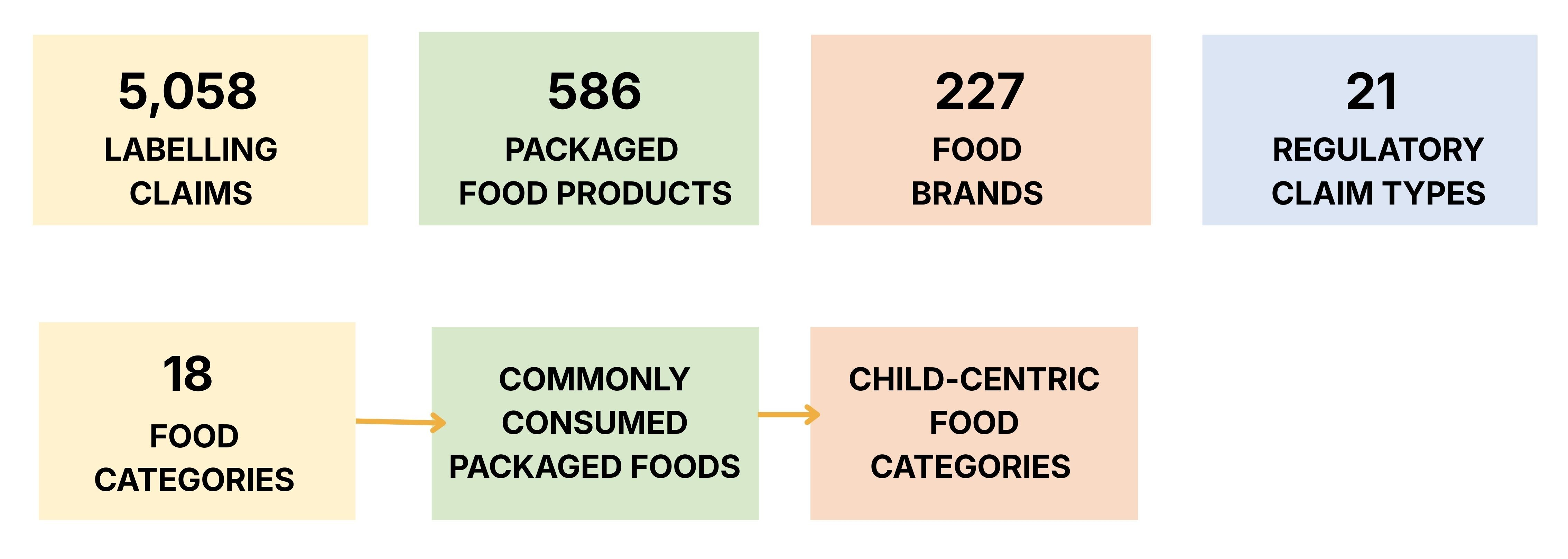
The labels reviewed reflected products available in the market between January and June 2025
Each claim was evaluated against applicable regulatory standards and classified as compliant, non-compliant, or requiring further verification.
This multi-layered approach gave us a realistic snapshot of how claims are being used and misused across the industry.
Finding 1: The Scale of Non-Compliance
The first and most striking insight was the sheer extent of risk in the system:
33.6% of all claims were either non-compliant or lacked adequate substantiation
21.3% were clearly non-compliant with regulations
12.3% fell into a “brand to verify” category, where the claim could not be validated due to missing or unclear information
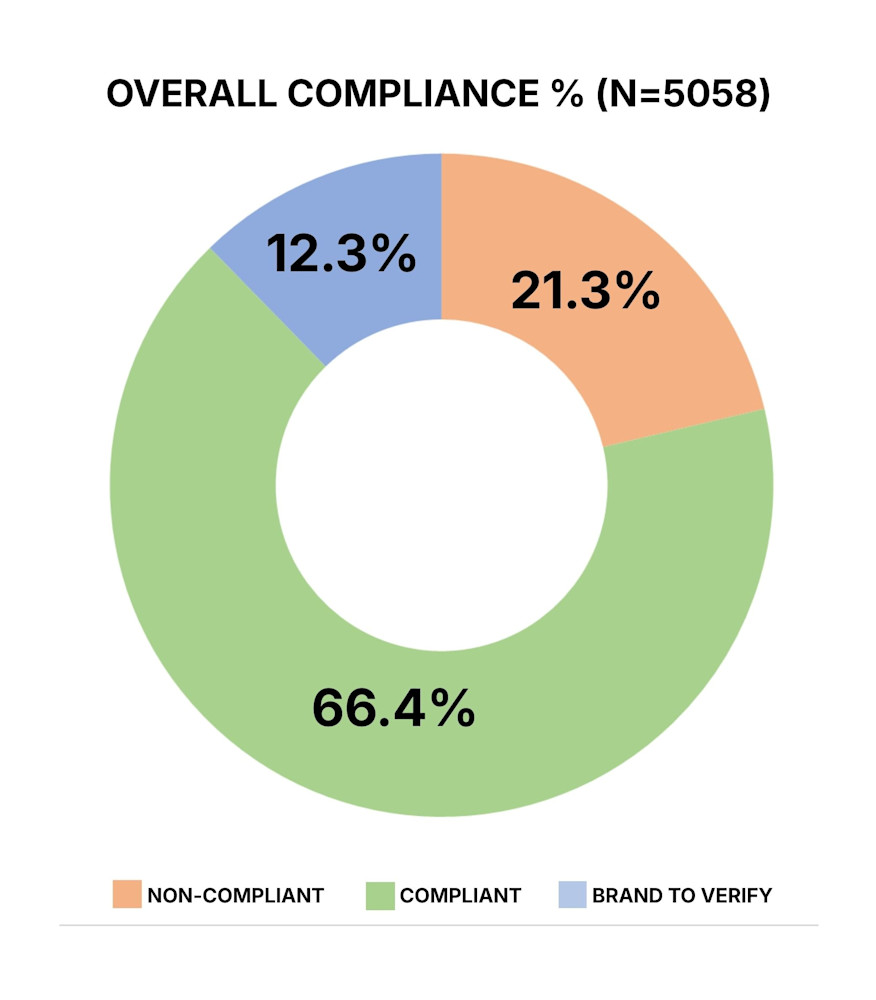
Non-compliant claims are not just technical errors. They can mislead consumers, omit critical context, or overstate benefits. The “brand to verify” bucket is equally worrying, it reflects a grey zone of ambiguity where consumers are expected to trust claims that cannot be independently assessed.
Finding 2: The Worst-Hit Categories
While non-compliance exists across the board, some categories stood out for elevated risk:
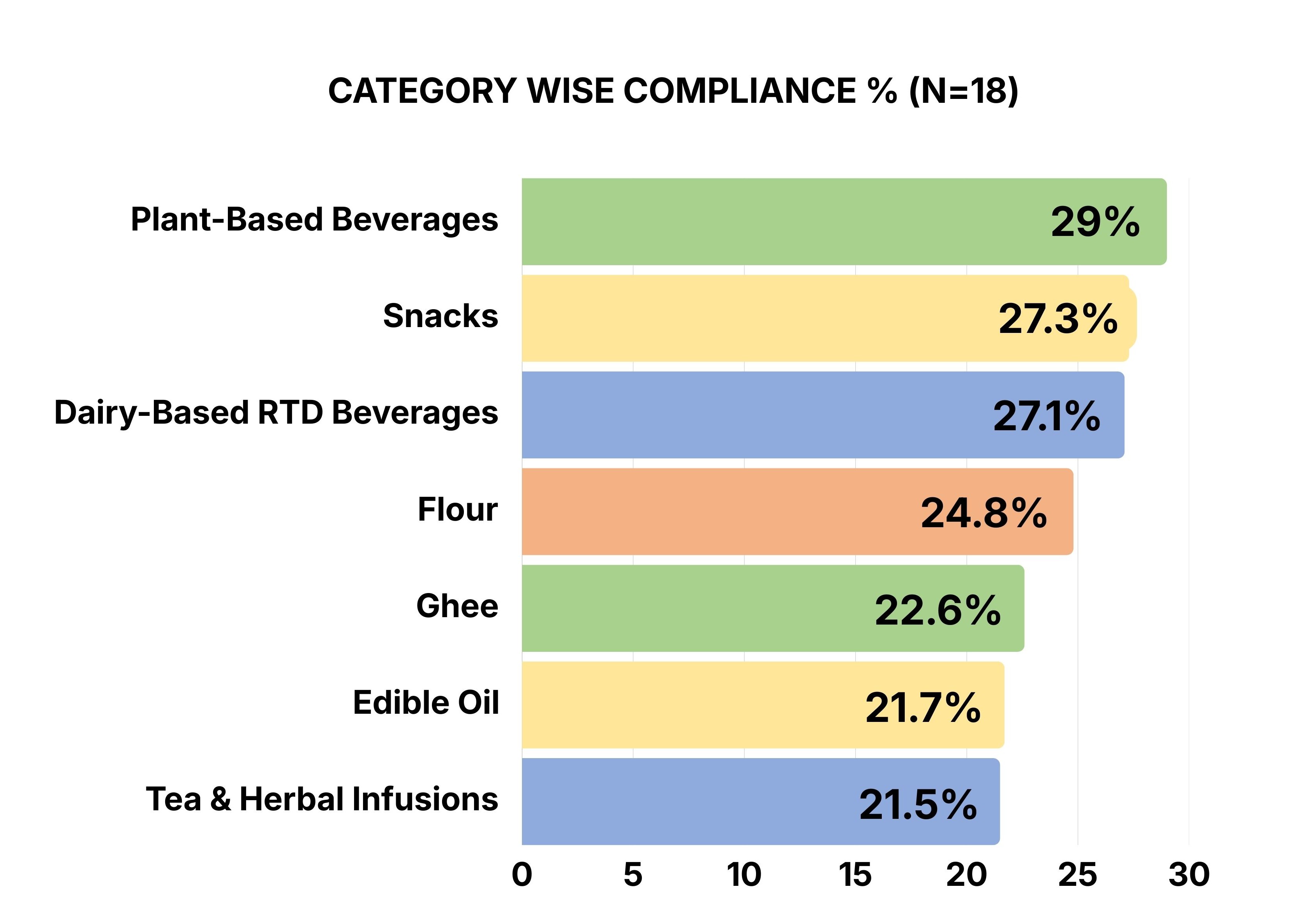
Snacks (27.3%)
Flour (24.8%)
Ghee (22.6%)
Edible Oil (21.7%)
Tea & Herbal Infusions (21.5%)
We saw examples like “reduces the risk of certain cancers” on flour or “supports hormonal balance” on edible oils, claims that raise serious regulatory and scientific questions.
Beverages showed worrying trends as well:
Plant-based beverages: ~29% non-compliance
Dairy-based RTD beverages: ~27.1% non-compliance
Often, these involve exaggerated nutrient comparisons or enrichment claims that don’t hold up under scrutiny.
These are not niche products. These are everyday staples, consumed by families, children, and health-conscious consumers. When non-compliant claims appear on such products, the impact on consumer behaviour and nutrition understanding is amplified.
Finding 3: Claim Types That Drive the Most Risk
When we broke the data down by claim type, a clear pattern emerged:
Nutrient Content Claims made up 22.8% of all claims and showed 27.1% non-compliance. These include statements like “high in fibre” or “source of protein.”
Health-Linked Nutrient Claims accounted for 16.3% of claims—and were the most problematic, with over 50% falling into non-compliant or verification-required categories.
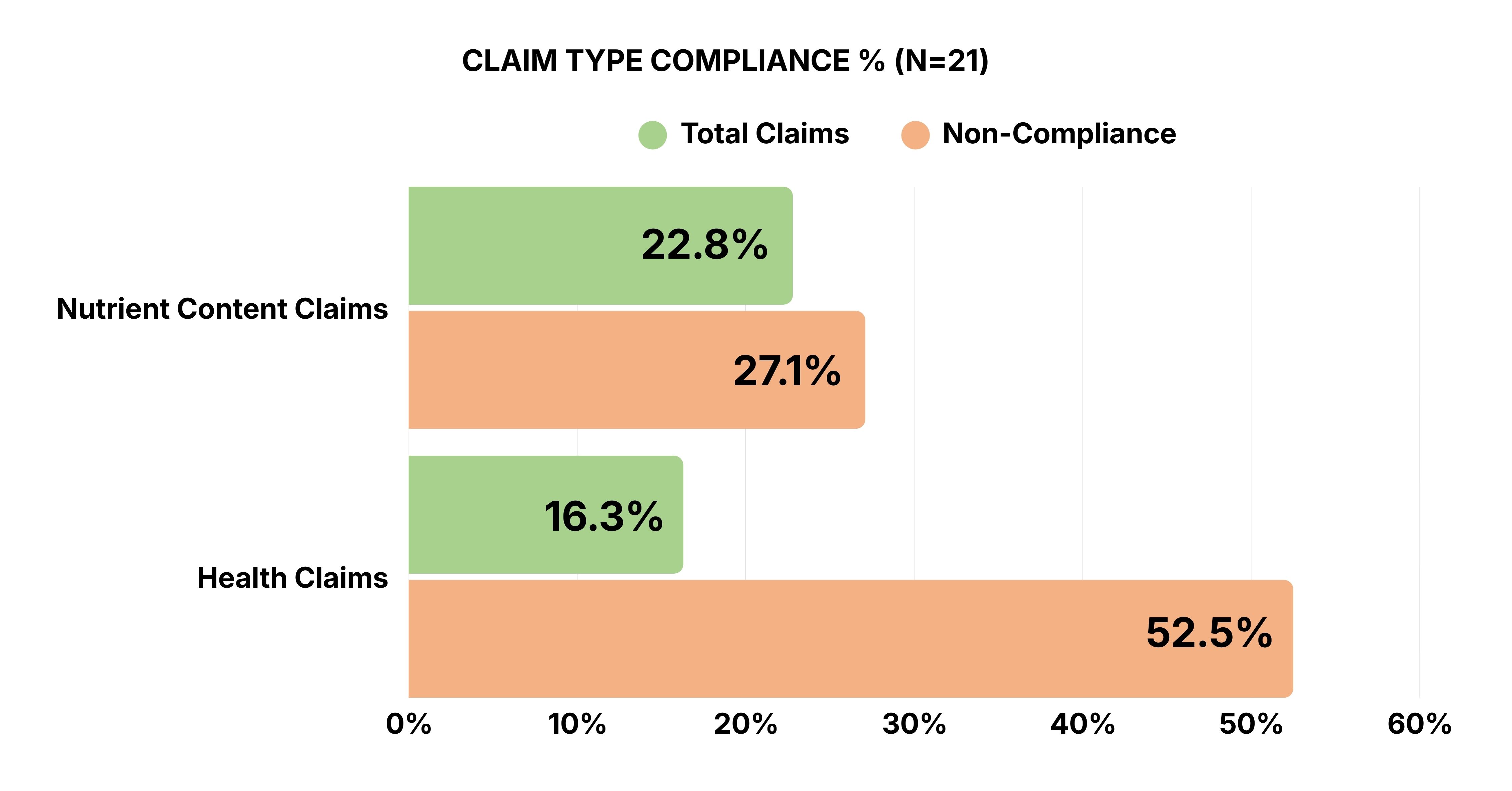
Claims such as “good for heart health” or “nutritional powerhouse” are powerful marketing tools, but they also carry the highest risk when not backed by the right evidence or used without meeting qualifying criteria.
The takeaway is clear: the more persuasive the claim, the higher the compliance burden and the higher the risk when that burden isn’t met.
Finding 4: Patterns That Increase Regulatory Exposure
Beyond individual violations, we also saw systemic patterns that increase risk:
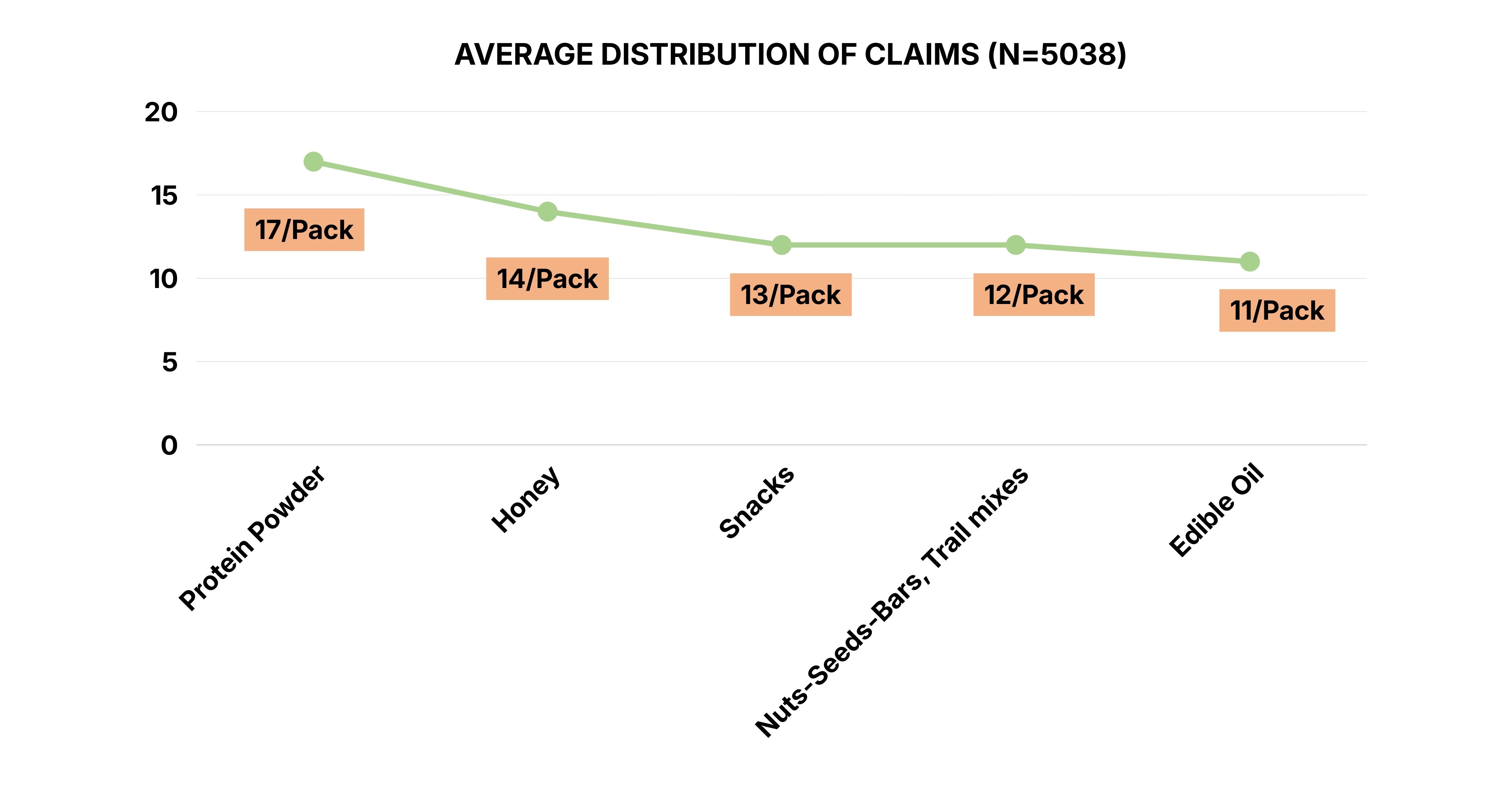
High claim density: Products carried an average of 8.6 claims per pack, with some categories like honey going up to 14 claims per pack. The more claims you stack on a label, the higher the chance of inconsistency, ambiguity, or outright non-compliance.
Lifestyle claims as marketing shorthand: Descriptors like vegan, allergen-free, or lifestyle-positioning claims often lacked proper verification. These are increasingly being treated as branding cues rather than regulated claims despite the fact that consumers rely on them for health, safety, ethical, and dietary decisions.
For regulators, these patterns point to the need for clearer definitions, stronger evidence standards, and governance frameworks that can keep pace with modern marketing strategies.
What This Means for Brands and Regulators?
For brands, this is a wake-up call to strengthen internal compliance systems. Claim strategy shouldn’t be an afterthought or a last-minute packaging exercise. It needs to be rooted in verified data, aligned with regulations, and integrated early into product development. Reducing claim clutter and focusing on clear, substantiated messaging doesn’t just reduce legal risk, it builds long-term consumer trust.
For regulators, the data highlights where guidance and enforcement can evolve: sharper definitions for high-risk claim types, clearer evidence-mapping requirements, and stronger oversight of health and lifestyle claims. There is also a strong case for digitised compliance tools and more dynamic regulatory alignment to keep up with the pace of product and marketing innovation.
In a market increasingly driven by health-led choices, labels have to do more than sell, they have to tell the truth. And getting that right is essential not just for compliance, but for consumer confidence and long-term public health.
Download the Full Report - https://www.foodlabelsolutions.com/report/labelling-claim-report
References:
Food Safety and Standards Authority of India (FSSAI). Food Safety and Standards (Advertising and Claims) Regulations, 2018., https://fssai.gov.in/upload/uploadfiles/files/Compendium_Advertising_Claims_Regulations_14_12_2022.pdf
Government of India. Consumer Protection Act, 2019.
Advertising Standards Council of India (ASCI). Annual Complaints Report 2024–2025.
Indian Council of Medical Research – National Institute of Nutrition (ICMR-NIN). Dietary Guidelines for Indians, 2020.

Michelle Britto
M.Sc. Foods, Nutrition and Dietetics, Registered Dietitian, Content Writer, Brand and Marketing Manager at LabelBlind® with over 7 years of experience
Recent Articles